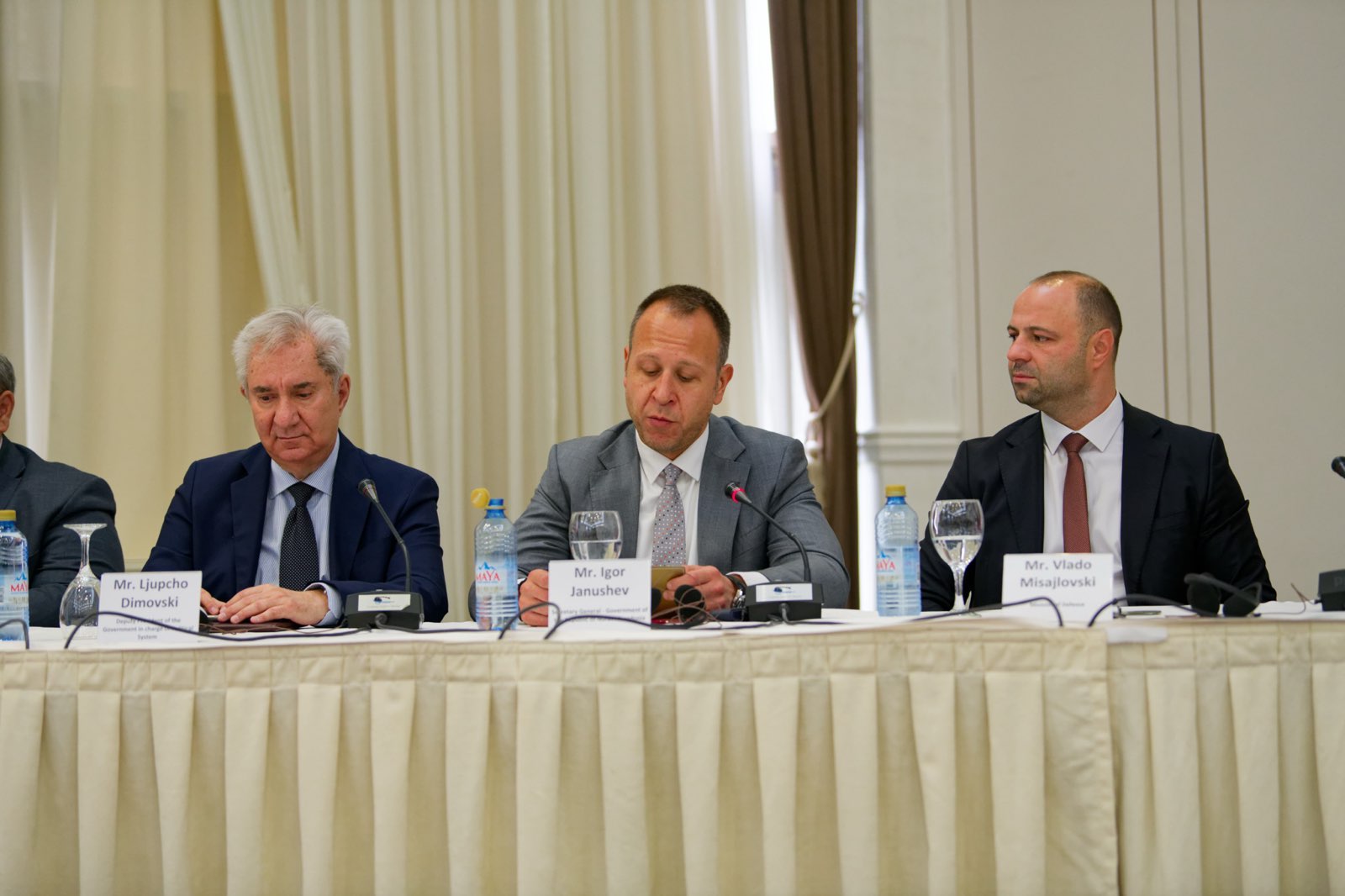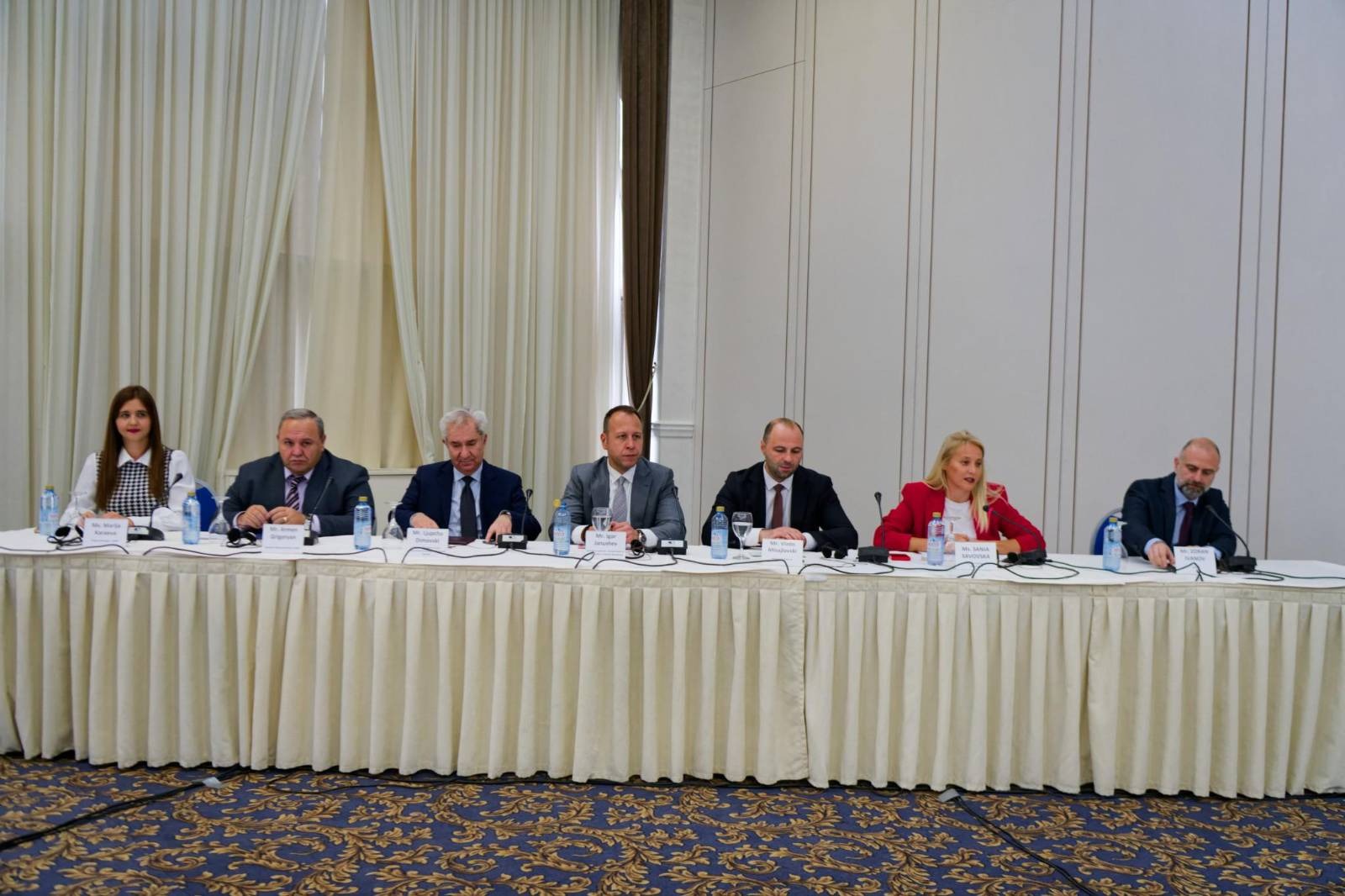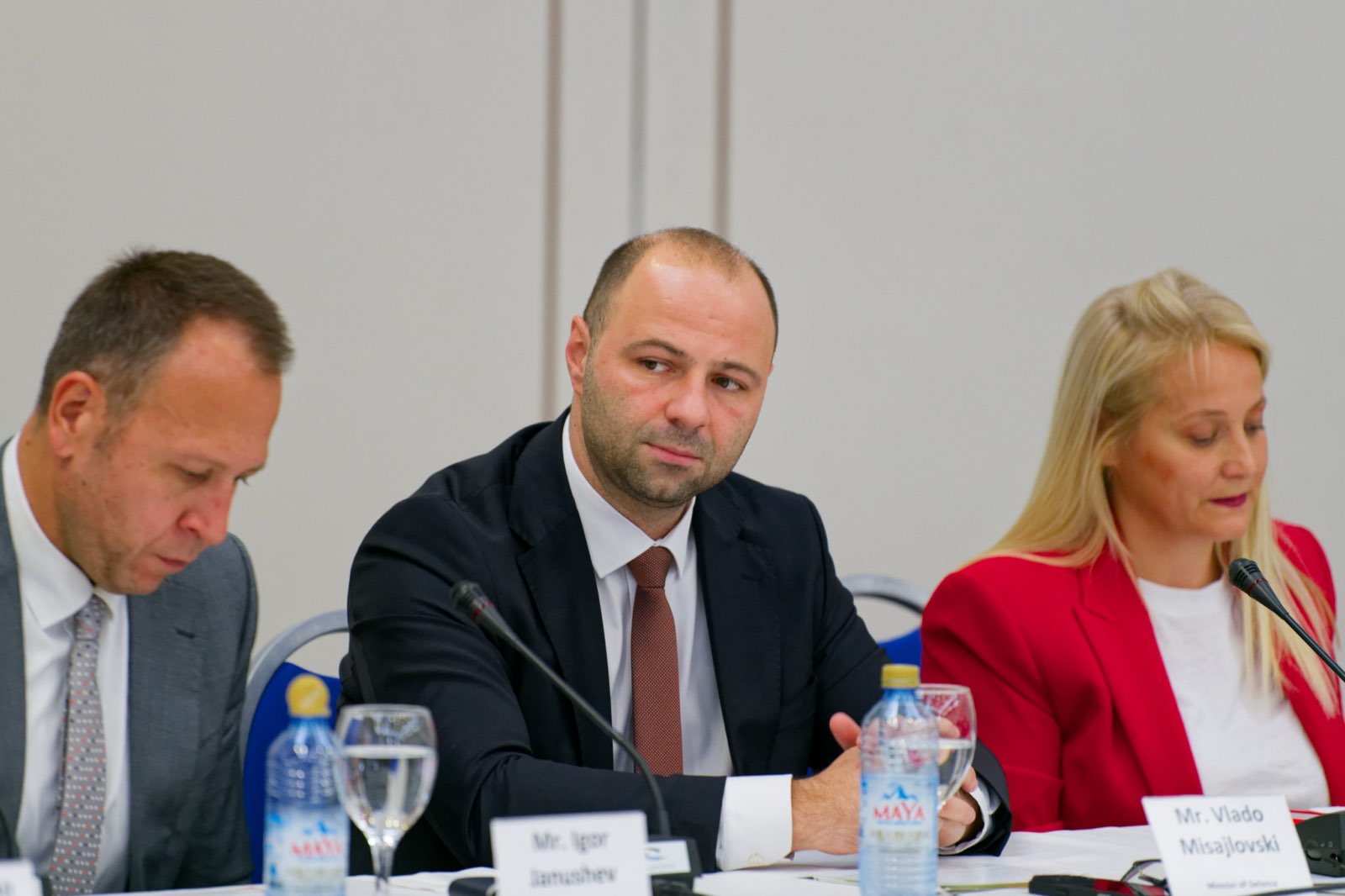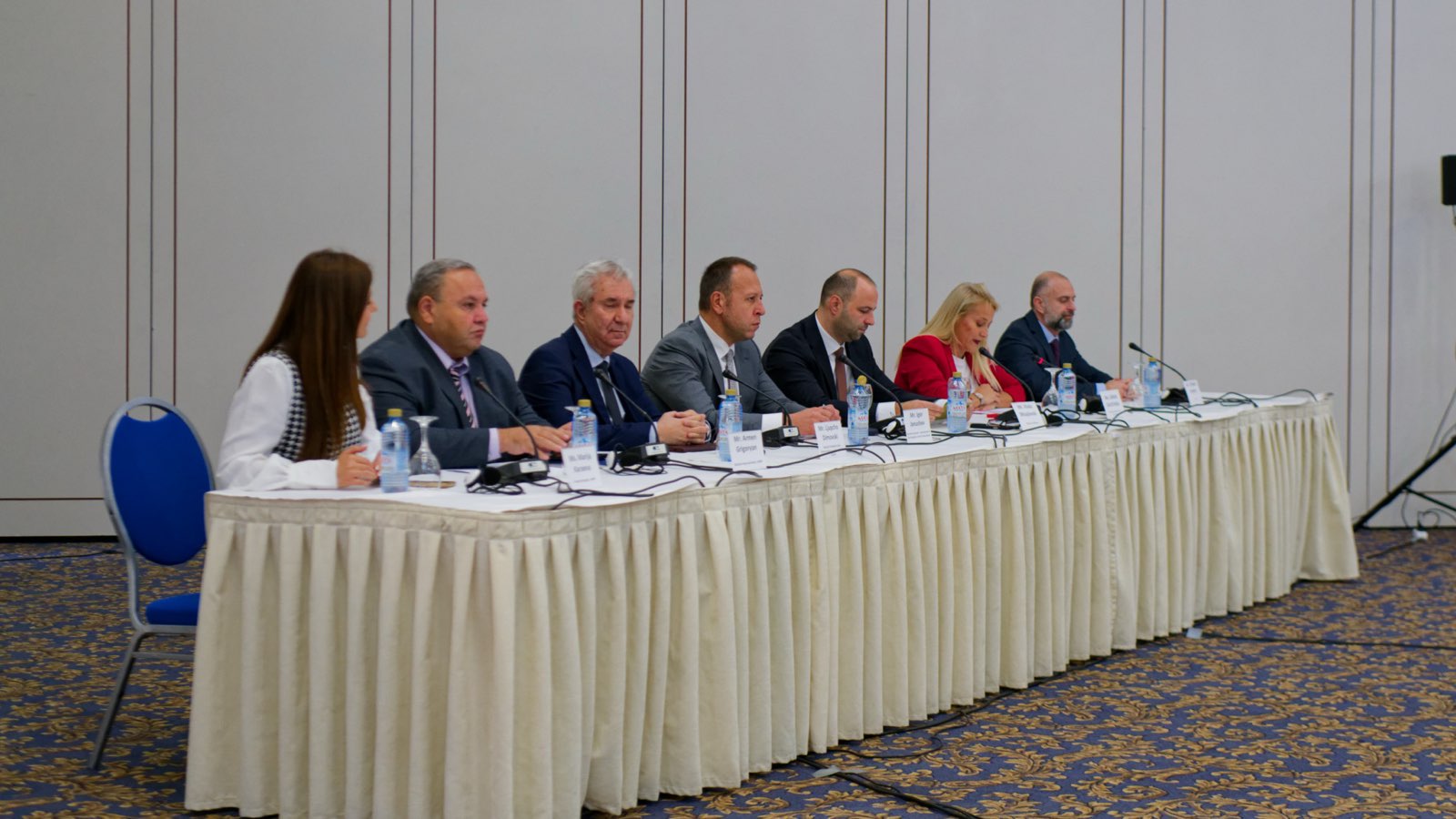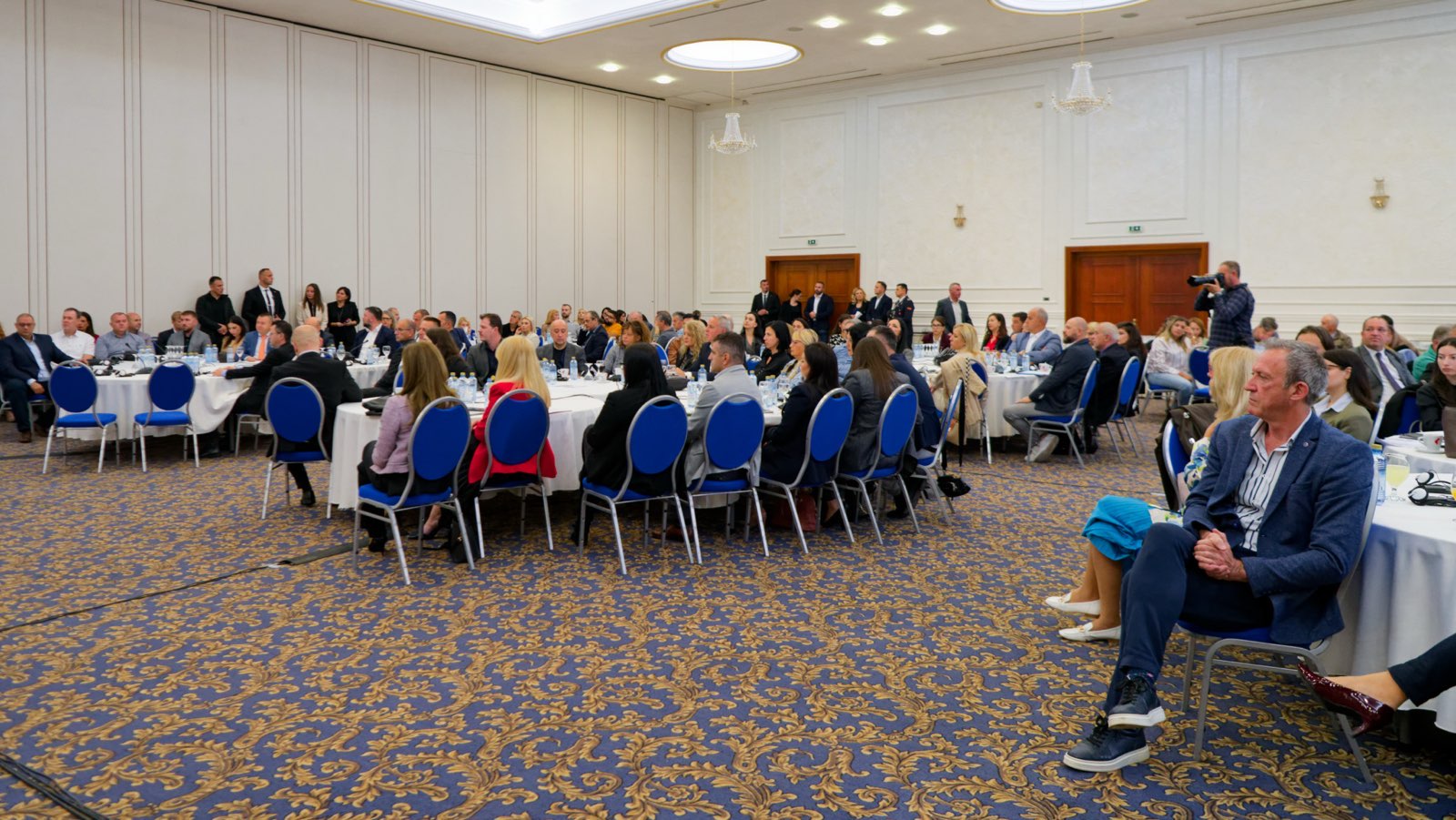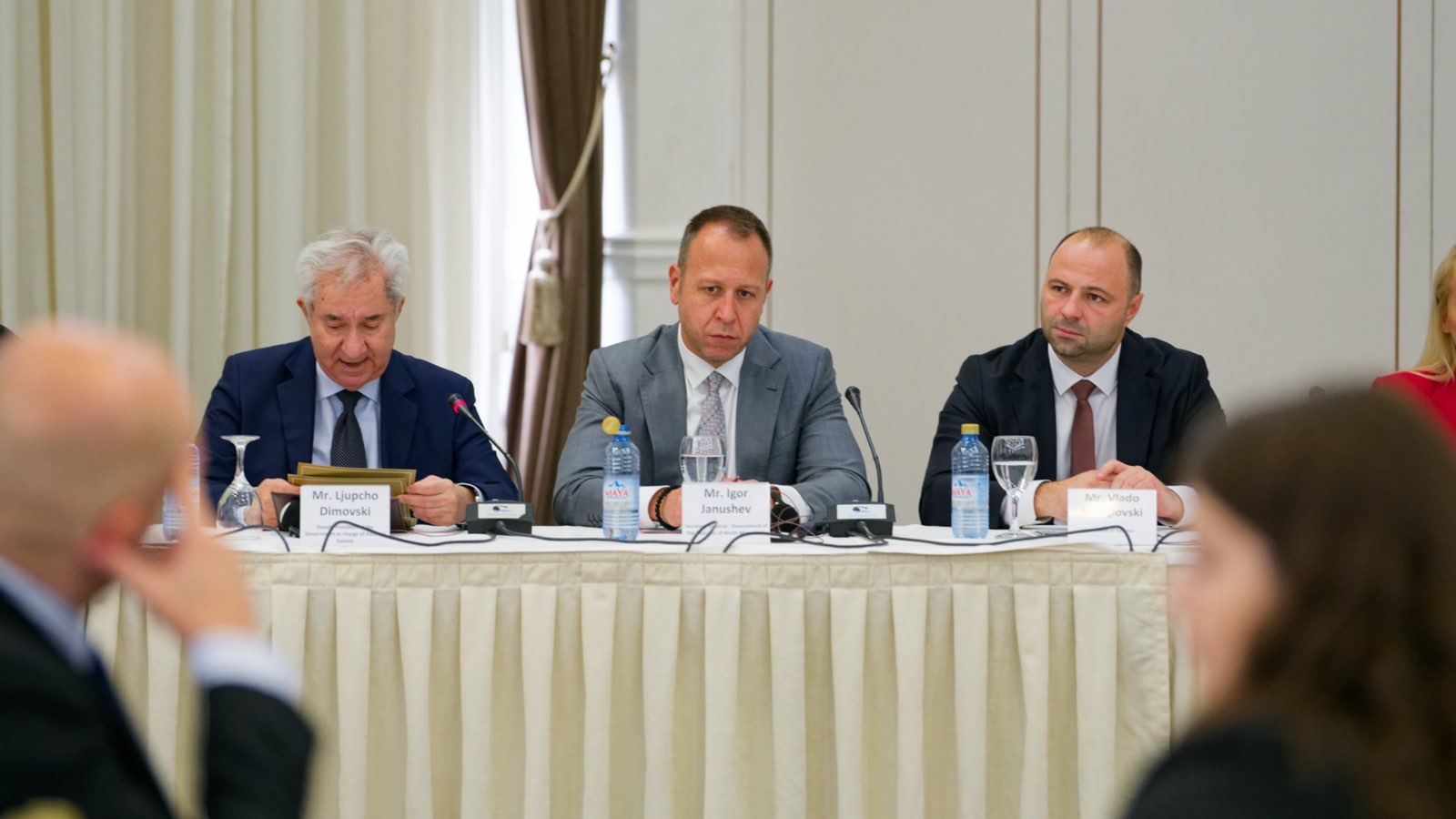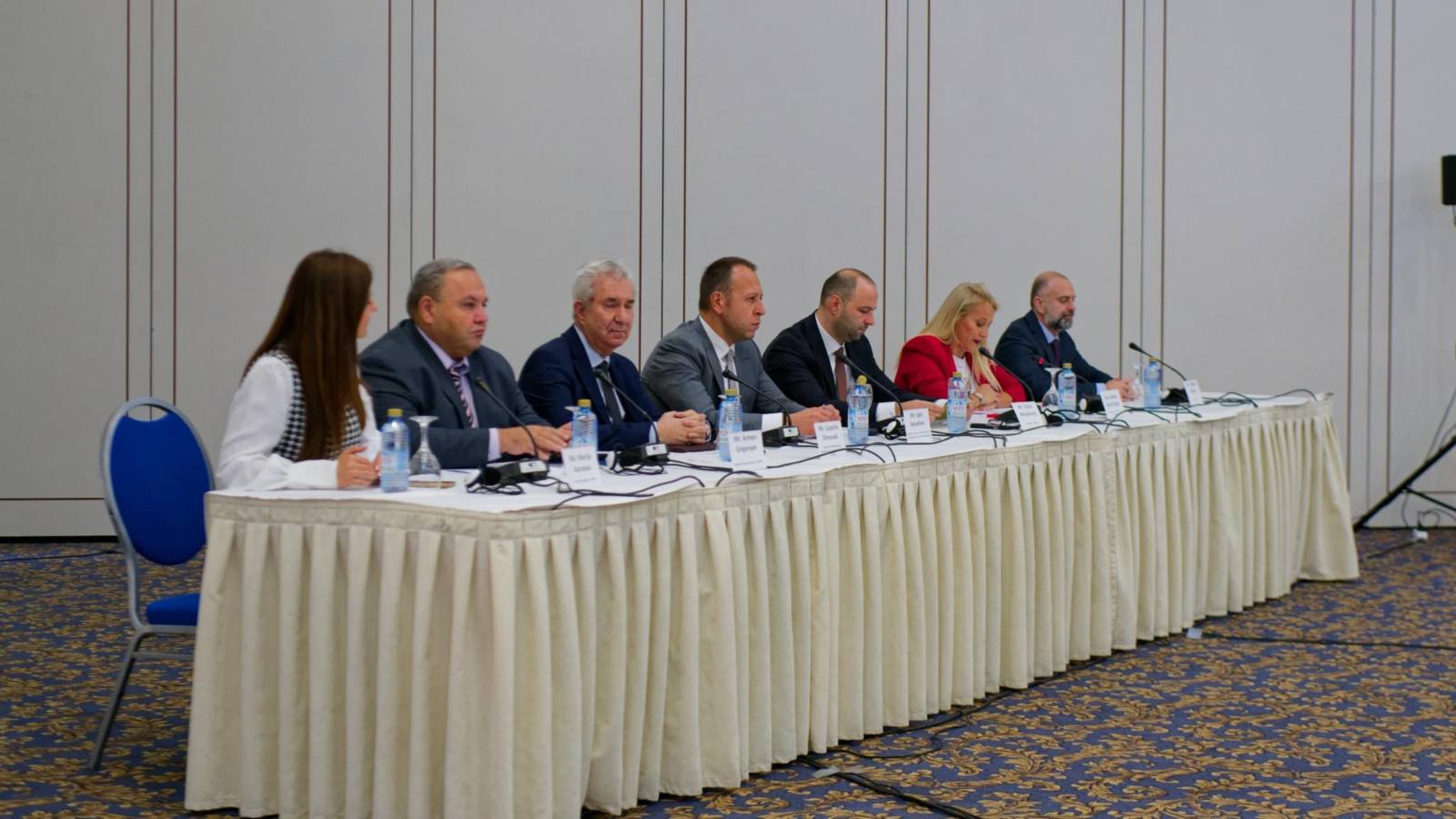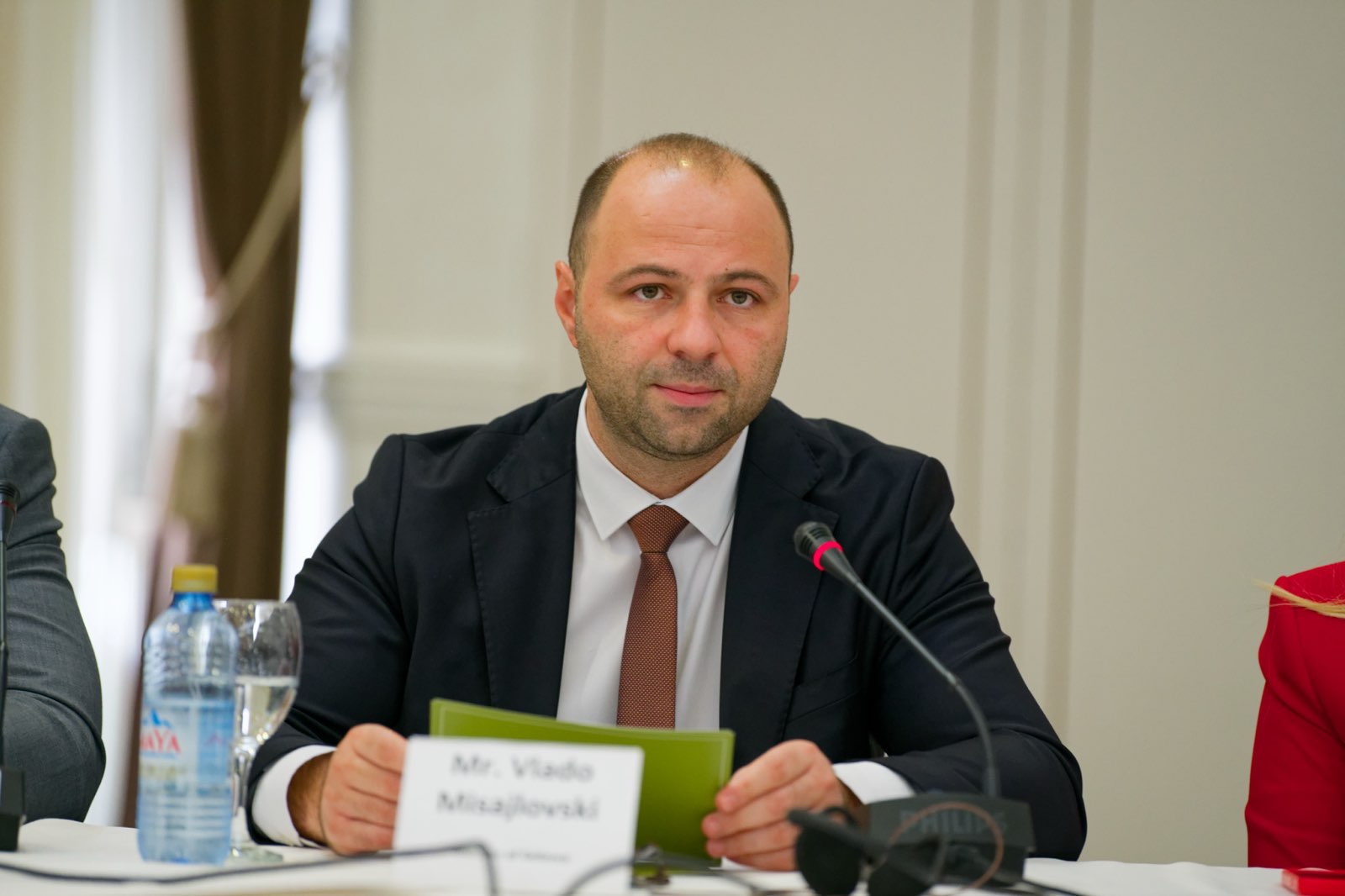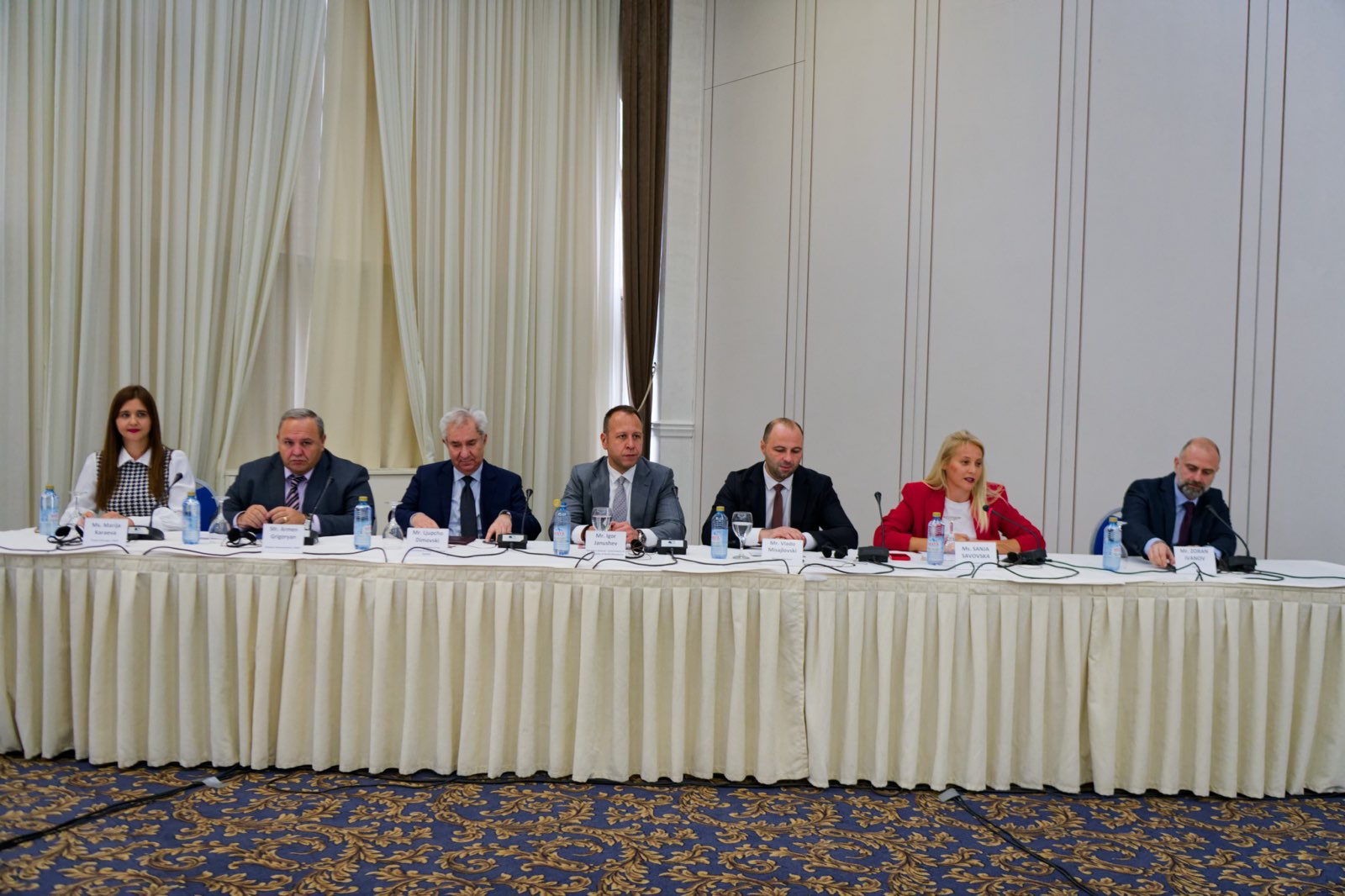
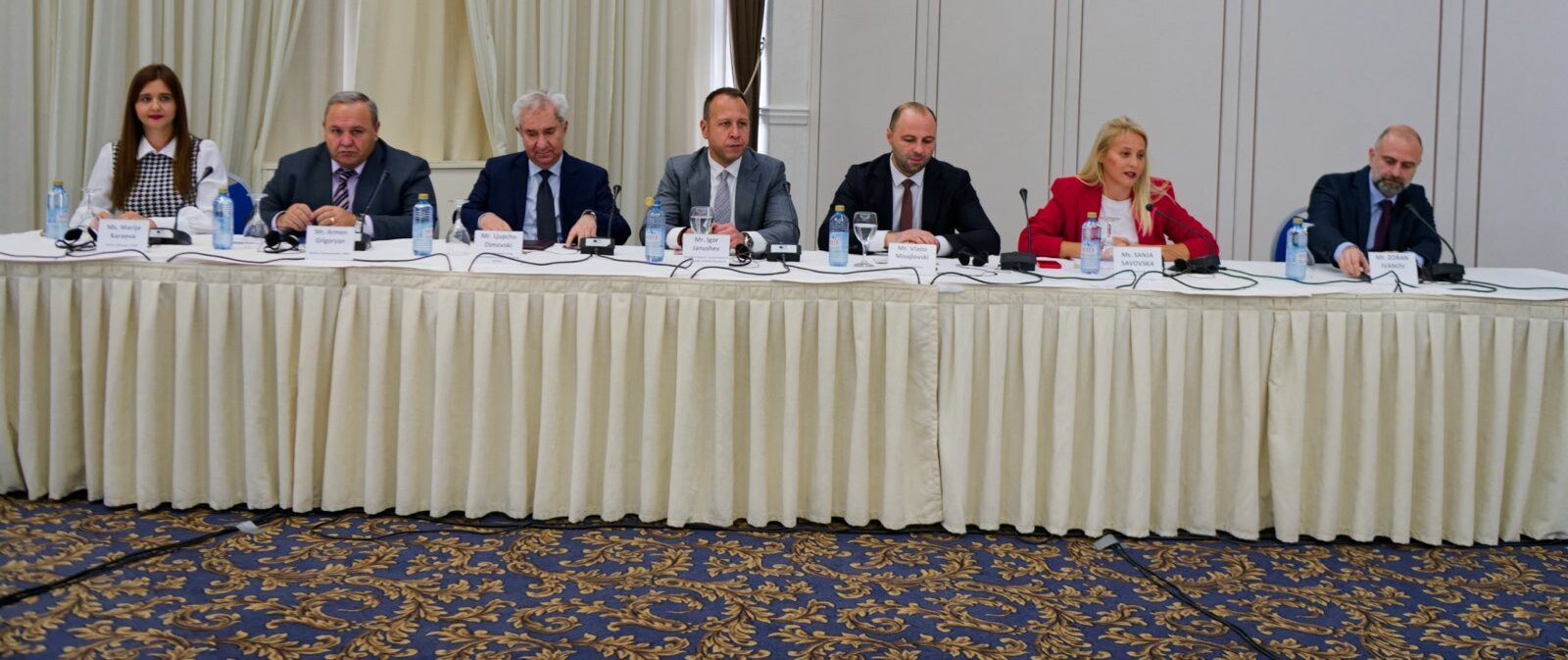
The Minister of Defence, Vlado Misailovski, today (September 29), attended and spoke at the meeting of the Working Committee for the implementation of the 2024-2044 National Development Strategy, emphasizing that building a ‘safe, secure, and resilient society in times of global challenges… is of paramount importance for us.’
Misajlovski referred to the development of the defence system and the defence investments, which enable the intensive equipping and modernization of the Macedonian Army.
“At the last NATO summit, we – all 32 member countries – unanimously made a decision that will lead to a stronger defence. In the next 10 years, that is, until 2035, the investments in the defence should reach the level of 3.5% of our GDP, with an additional 1.5% of GDP invested in defence-related activities and projects, such as infrastructure, crisis management, and cybersecurity,” said the minister.
Misailovski added that intense work is already being done on projections for increasing the defence budget, which also means greater investments in the defence sector.
Regarding strategic documents, the minister informed that the National Security Strategy is in the process of being adopted, which, he said, serves as a basis for updating the other strategic documents, namely the Defence Strategy and the Defence capability plans.
the Defence is not an isolated sector, but rather a broader system of societal resilience, emphasized the minister, adding that “of particular importance is the inclusion of all relevant actors in addressing today’s threats, both from the institutions as well as from the academic community, the private sector, non-governmental organizations, the media, and not to forget the continuously deepening regional cooperation and cooperation within the NATO and EU context.”
The working meeting was also attended by the Deputy Prime Minister for Political System, Ljupcho Dimovski, as well as the Secretary General of the Government, Igor Janushev, representatives of the UNDP, professors from the Arizona State University, representatives of institutions, local self-governments, and the civil society and business sectors.